A technically working system can still fail.
I saw a capable customer-communication platform become an underused investment because support, training, adoption, and readiness did not keep pace with the software. The underlying problem remained.
 Drop in a Bucket
About Drop in a Bucket
Your business needs thoughtful questions, an honest look at what is getting in the way, and a practical next step that respects your time, money, people, and attention.
I started Drop in a Bucket to help small and growing organizations make everyday systems easier to understand, improve, and own.
Founder-led
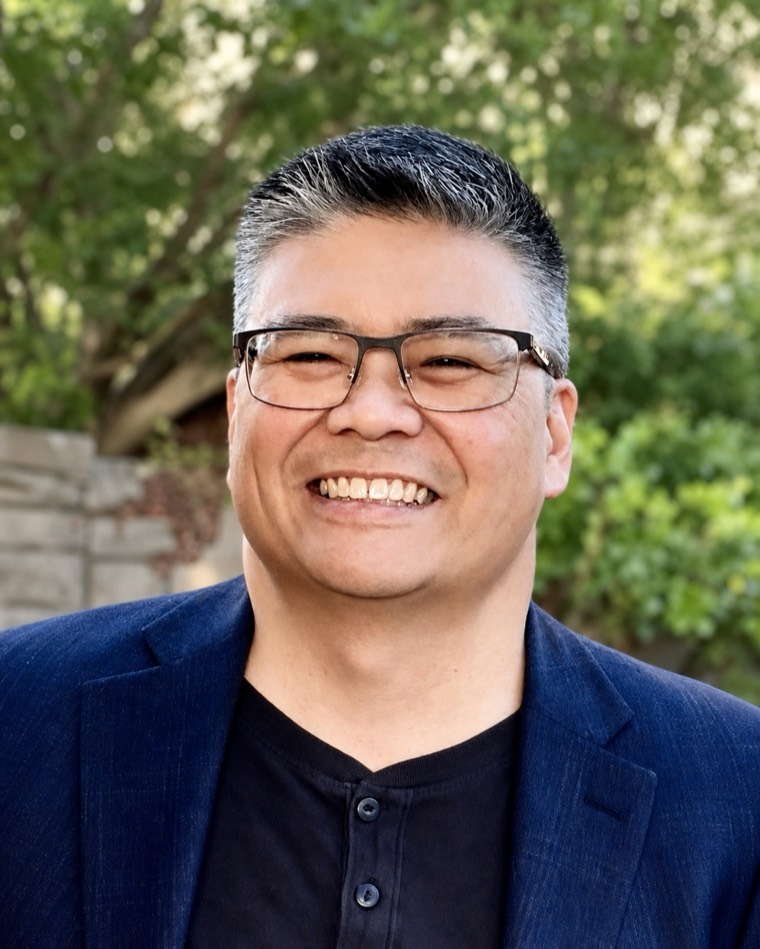
I'm Mathew Arcilla, founder of Drop in a Bucket. My 18 years in business technology began in programming and system automation, and moved toward the work between operations and technology: customer service, business systems, reporting, e-commerce, integrations, and the handoffs among them.
What matters is the judgment that comes from seeing capable software underused, people rebuilding basic answers from several systems, and downstream teams absorbing the cost of a rushed rollout.
What experience taught me
I saw a capable customer-communication platform become an underused investment because support, training, adoption, and readiness did not keep pace with the software. The underlying problem remained.
I have seen managers export and reconcile data just to understand customer state. I have also helped bring useful order, tracking, and delivery status into the system staff already used. Good technology reduces swivel-chair work and brings context closer to the decision.
A rushed operational-system rollout moved ahead without enough discovery, testing, or downstream input, and connected workflows felt the consequences. A later rollout involved broader stakeholders, accepted a necessary delay, tested blockers, and staged the change.
These are anonymized examples from the founder's prior experience. They are not Drop in a Bucket client case studies or quantified outcomes.
How I approach the work
You can't solve a problem you did not take time to hear about. I begin with how the work really happens: the people, normal path, exceptions, handoffs, systems, and downstream effects. That gives everyone a better chance of choosing the right-sized next step.
The answer may be a better process, clearer ownership, a connection between existing tools, or fewer steps. Software or automation should follow the problem.
Where safe and appropriate, the goal is controlled authority, training, documentation, and traceability so responsible people can carry the work forward.
Requirements, testing, training, ownership, documentation, and handoff are part of implementation. The measure of an implementation is whether the work actually got easier.
I will say when a requested tool is not the answer, a simpler change is worth trying first, or a specialist is the responsible next step.
Why the name
A small contribution can still matter as part of something larger. Most businesses need one bottleneck understood, one handoff clarified, one manual step removed, or one system made easier to use—not a dramatic transformation promise.
The name also reflects humility and stewardship. No single improvement—or advisor—is the whole answer. Expertise should serve others through integrity, honesty, care, and how the work is conducted.
Local means relationships
I have been local here all my life, and I think small businesses are a large part of what makes up our culture and communities. When a trusted shop, contractor, church, restaurant, salon, or service business succeeds, the community keeps something valuable.
Drop in a Bucket is based in Vallejo and works across Solano, Napa, the North Bay, and beyond. Whether nearby or farther away, each engagement deserves care, candor, and attention to what happens after the project ends.